Real-time tracking refers to a company’s ability to instantly view and analyze operational data, such as work hours, employee location, or task progress. This type of tracking relies on connected technologies, such as mobile apps, GPS systems, or integrated management software.
In the context of time management, real-time tracking allows managers to respond quickly to unexpected events, optimize resource allocation, and ensure better productivity.
Real-time tracking works based on three key components:
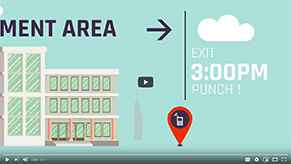
For example, using a geolocation system, a supervisor can confirm in real time whether an employee clocked in at the correct location.
Integrating real-time tracking into a business offers several tangible benefits, especially for SMEs and the construction industry:
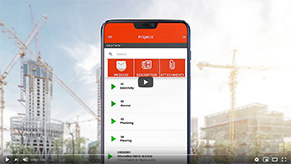
Real-time tracking is built into several types of professional solutions:
These tools provide a comprehensive and instant view of field and administrative activity, with actionable reports.
To work effectively, real-time tracking tools require a mobile or Wi-Fi internet connection to sync data continuously. However, some apps offer an offline mode that temporarily stores data and syncs it as soon as the network is available.
Yes, as long as legal frameworks are respected. Employers must inform employees about the tracking system, its purpose, and the data being collected. Tools compliant with regulations such as the Loi 25 in Quebec help protect privacy while ensuring transparency.
Real-time tracking involves the immediate observation of ongoing actions (presence, tasks, location), whereas real-time scheduling involves dynamically adjusting schedules or resources in response to current events. Both approaches are complementary and can be combined using an efficient planning tool.
Mobile-Punch saves thousands of companies time and money. Call us to find out how we could do the same for yours!
We are located at:
5955, rue Saint-Laurent
Lévis, Quebec
G6V 3P5