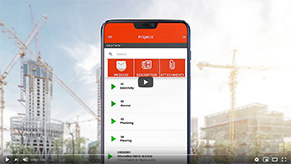
Delay management refers to all practices implemented to anticipate, detect, analyze, and correct delays in the execution of a project, worksite, or set of tasks. It is part of a proactive approach to time control and meeting deadlines.
In sectors such as construction or services, where timelines are often critical, effectively managing delays helps reduce financial impact, avoid team disorganization, and maintain customer satisfaction. This management is generally supported by digital tools such as a project management software or a shared electronic calendar.
Effective delay management makes it possible to:
Unmanaged delays can lead to schedule errors, loss of productivity, or even jeopardize project completion.
Delay management relies on several levers:
Common causes include lack of labor, delivery delays, technical problems, weather conditions, or poor coordination. A dispatching software can help anticipate and reduce these risks.
Yes, digital solutions like clock-in applications or integrated dashboards allow immediate detection of discrepancies between planned and actual work.
Analyzing historical data, realistic scheduling, flexible resource allocation, and effective hour tracking are effective prevention strategies. Adding regular checkpoints to the schedule also helps detect issues early.
Mobile-Punch saves thousands of companies time and money. Call us to find out how we could do the same for yours!
We are located at:
5955, rue Saint-Laurent
Lévis, Quebec
G6V 3P5