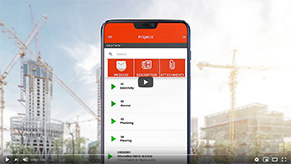
Instant messaging is a tool that lets people exchange written messages (sometimes with attachments, photos, or notes) immediately, without going through email. In a business context, it helps streamline day-to-day communication, especially when teams need to coordinate in real time.
In the glossary, you may also see this concept referred to as live chat.
Instant messaging is mainly useful for speeding up operational communication:
To ensure information arrives at the right moment, it often relies on push notifications.
Email works well for formal topics, longer requests, or messages that need to be sent to multiple external contacts.
Instant messaging, on the other hand, is designed for operations: a question, an answer, an action, right away, in real time.
The result: fewer back-and-forths, faster responsiveness, and better day-to-day employee management.
When teams are constantly on the move, instant messaging becomes a real coordination lever:
To reduce information overload:
It helps centralize exchanges (messages, photos, approvals) and keeps a searchable record. By reducing interruptions and micro-meetings, it can improve team productivity, while meetings remain useful for aligning on major decisions and complex topics.
The key is to set clear rules from the start: define availability windows, clarify what counts as urgent, and organize conversations by topic (project, team, jobsite) rather than one single feed. By minimizing notifications and using a dedicated internal communication tool (instead of personal channels), messages stay useful, traceable, and easier to find, without hurting focus.
In most cases, yes, live chat is a common synonym for instant messaging. So you can naturally link to “live chat”.
Mobile-Punch saves thousands of companies time and money. Call us to find out how we could do the same for yours!
We are located at:
5955, rue Saint-Laurent
Lévis, Quebec
G6V 3P5