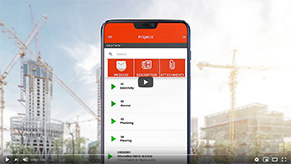
Internal messaging

What is internal messaging ?

Internal messaging refers to a messaging system reserved for members of the same company. Unlike public messaging (personal SMS, WhatsApp, personal email), it’s framed by the employer: a single tool, contacts limited to the team, and data kept on the company side.

It’s often a component of a broader communication software.

What is internal messaging used for?

Internal messaging covers all day-to-day work exchanges:

  • morning instructions and mid-day updates
  • requests for breaks, absences, or unexpected changes
  • sending photos or documents related to the job
  • approvals between supervisors and field teams
  • field updates from a jobsite or route

It’s often paired with instant messaging for live exchanges and with push notifications for important messages.

Internal messaging vs. personal messaging: why it matters

Using WhatsApp or personal texts for work may feel practical, but it creates three problems:

  • confidentiality: work conversations flow through private accounts
  • traceability: when an employee leaves, the chat history goes with them
  • organization: work messages get mixed with personal ones, and information gets lost

Internal messaging solves all three: the company keeps control of exchanges, and information stays accessible even after someone leaves.

What are the benefits for an SMB with field teams?

  • better staff management through a single channel
  • fewer scheduling errors because instructions are written and searchable
  • stronger control of construction site management
  • useful history in case of disputes or inspections
  • clearer onboarding for new employees (they know where to find info)
  • more peace of mind for managers

Best practices for internal messaging that actually works

  • One official tool for the whole team (avoid duplicate channels)
  • Clear rules: hours of use, types of messages, tone to adopt
  • Dedicated groups per project or through a specific communication tool (not one giant thread)
  • Actionable messages: context + request + expected deadline
  • Automatic archiving to keep records without cluttering the interface

Frequently asked questions about internal messaging

Does internal messaging replace email?

Not entirely. Email still works well for formal or external exchanges. Internal messaging takes over for anything operational, fast, and internal to the company, often through a mobile communication tool.

How do you protect the data being exchanged?

The best approach is to choose internal messaging built into a professional software, hosted in an environment controlled by the company. That prevents work messages from floating around on personal accounts and makes confidentiality easier to enforce.

Should you create a group per jobsite?

Yes, that’s usually the best approach. It connects exchanges directly to real-time scheduling and keeps instructions intended for one jobsite from reaching another team by mistake.

Contact Us

Mobile-Punch saves thousands of companies time and money. Call us to find out how we could do the same for yours!

We are located at:
5955, rue Saint-Laurent
Lévis, Quebec
G6V 3P5