Overtime tracking involves accurately recording and calculating the time worked beyond the legal or contractual work hours. This process is essential to ensure fair compensation, comply with labor regulations, and optimize human resource management.
In labor-intensive sectors such as construction, tracking overtime ensures employees are properly compensated, teams are effectively scheduled, and disputes over unpaid hours are avoided. It is typically integrated into a time tracking app or a clock-in system.
Effective tracking allows you to:
It also serves as a lever to improve productivity while maintaining a fair workload distribution among team members.
The process typically involves the following steps:
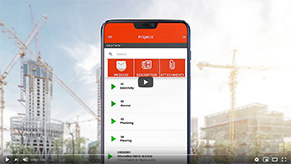
Some online timesheet solutions allow real-time tracking, minimizing errors and omissions.
In Quebec, for example, hours worked beyond 40 per week must generally be paid at a higher rate (1.5x). In France, the premium rate starts after 35 hours, following specific guidelines. The law may also set caps on total overtime.
Overtime is paid with a bonus rate. Compensatory time off (CTO) or time bank allows the employee to accumulate hours to be taken later as time off, according to specific rules.
Tools like a mobile time clock, an electronic calendar, or time management software help centralize data and automate overtime calculations for accurate and compliant payroll.
Depending on local laws, an employer can request overtime within certain limits. However, an employee may refuse in cases of abuse or if not stated in the contract. Proper tracking helps prevent misuse and keeps a clear record of hours worked.
Mobile-Punch saves thousands of companies time and money. Call us to find out how we could do the same for yours!
We are located at:
5955, rue Saint-Laurent
Lévis, Quebec
G6V 3P5