Resource allocation refers to the process of strategically planning and distributing available resources (human, material, financial, or time-based) required to complete a project or activity. Its goal is to use resources efficiently to meet objectives within the set timeline and budget.
In SMEs, and particularly in the construction sector, resource allocation helps prevent work overloads, bottlenecks, and project delays. It is often carried out using a planning tool or integrated into a work schedule management software.
Effective resource management allows you to:
This efficient distribution also helps reduce schedule errors and improve real-time employee management.
The process involves several steps:
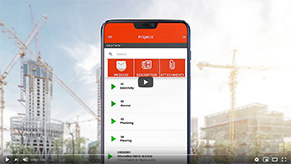
Some management tools allow you to visualize allocation via digital timesheets or real-time scheduling modules.
Planning defines the “what” and “when” of tasks to be completed, while allocation determines the “who” and “with what”. These two processes complement each other in project management.
Specialized software allows you to visualize workloads, availability, and easily reassign resources based on priorities. These tools may include features such as employee time tracking, project management, or time management software.
Yes. Some systems can automate task assignment based on criteria such as availability, skills, or current workload. This reduces human error and improves organizational responsiveness.
Poorly managed allocation can lead to:
To avoid this, it is useful to combine allocation with employee geolocation tools or digital time clocks to access real-time data.
Mobile-Punch saves thousands of companies time and money. Call us to find out how we could do the same for yours!
We are located at:
5955, rue Saint-Laurent
Lévis, Quebec
G6V 3P5